

Science Education Conference
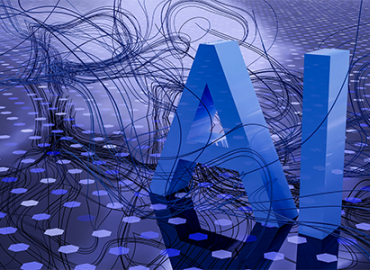
Reframing AI in Science Education: Building Equity Through Clear Boundaries
At the recent CASE conference, I explored a critical challenge facing today's educators: how to harness AI's educational potential while ensuring all students develop fundamental competencies in science. The presentation centered on a dual approach:…
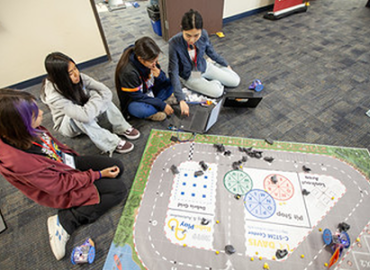
Extending Girls’ Leadership in Robotics: Strategies for Sites
Building sustainable, equity-driven STEM opportunities for girls is both an aspiration and an urgent need. The Girls in Robotics Leadership (GIRL/GIRL+) model, developed through the partnership between the Solano County Office of Education and the UC…
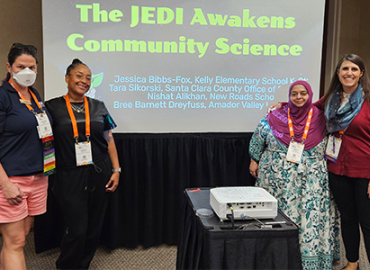
The JEDI Awakens: Designing for Justice in Science Classrooms
Picture this: Your students are analyzing mountain lion sightings in Los Angeles using iNaturalist data. But instead of simply mapping wildlife corridors, they're grappling with a deeper question—whose voices matter when we design solutions for urban…

Avoiding Burnout
Teacher burnout is very real and is a recognized occupational phenomenon that causes physical and emotional exhaustion, cynicism, and detachment from the job. Causes of burnout can include an overwhelming workload, staffing shortages, expanding class…
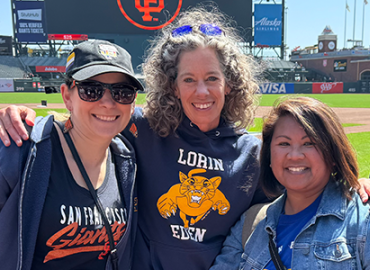
Collaborative Curiosity: Using Buddy Classes to Expand Science Learning
Teachers Chris Scharfenkamp and Mhylet Zataray at Lorin Eden Elementary School in Hayward are showing how powerful cross-age learning can be by pairing their 5th graders and 1st graders for hands-on science.


