

FYI
Why Animal-Free Anatomy Lessons are the Future of Education
Science is always evolving, so why are some of the methods we use to teach it—like dissecting dead animals—stuck in the past? We can better prepare students for the future by leaving behind old ways in favor of innovative and exciting new approaches…
Science Adoption is Here!
Curriculum adoption is upon us! It is an exciting time to finally be getting a curriculum for science, but also a daunting task. Teachers know that curriculum comes and goes, but for the several years we have one, we have to make sure it's a good…
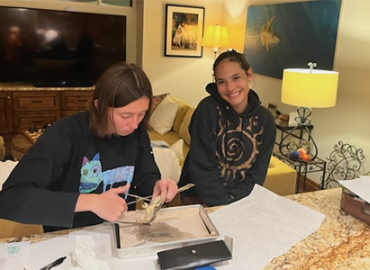
Evaluating Alternatives to Dissection with the SynFrog
At the 2023 California Science Education Conference in Palm Springs, the Keynote Speaker was the inspiring Dr. Tyrone Hayes, who introduced himself as “a boy who loved frogs.” I asked him after the keynote, how he felt about frog dissection, and he…

Does State Testing Help or Hurt Science Education?
CSTA and the STEM4Real team put this question up at the CSTA booth at the CA STEAM Symposium in Anaheim last December. We hoped the poster would get people interested in visiting our booth and start some discussions. We had no idea. As you can see,…

Sit Back, Put Your Feet Up, Relax, and Read
What better way to wrap up the 2019-20 edition of CCS, than to recommend a variety of books that you or your students might enjoy in the coming months. Here are five books representing environmental, physical and biological sciences.
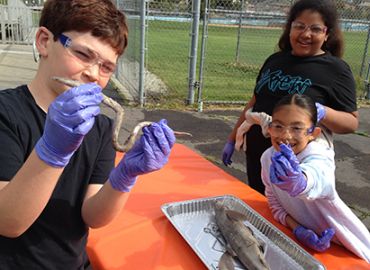
Invaluable Learning Experiences: Thoughtful Design and Implementation of Dissections
When people recall their science experiences in school, those with strong memories often describe times when they were actively engaging with content, having hands-on exploration, and participating in the process of science. Many describe conducting…


