
Cell-ebrations!
By Melissa Marcucci, President
Dear CASE Members,

President, 2025-27
As summer begins and classrooms across California quiet for a well-earned break, it’s the perfect time to reflect on the incredible momentum, collaboration, and accomplishments that defined this past school year. This issue’s theme, “Cell-ebrations!,” could not be more fitting for the work happening across our science education community.
This year reminded us that meaningful progress happens when educators, leaders, organizations, and partners work together toward a shared vision for high-quality science education for all students. Across California, CASE members continued to lead with innovation, advocacy, and a deep commitment to student-centered science learning.
One of the highlights of this year was gathering together for the 2025 CASE Conference in Palm Springs. The energy, collaboration, and learning that filled every session and conversation served as a powerful reminder of the strength of our science education community. From classroom strategies and phenomenon-based instruction to leadership development and statewide initiatives, the conference celebrated both the incredible work already happening and the exciting possibilities ahead.
This spring also brought the opportunity for California to host NSTA in Anaheim, welcoming science educators from across the nation. It was an incredible opportunity to showcase the leadership, innovation, and passion that California educators bring to science education. The excitement surrounding the conference reflected the growing momentum behind high-quality science teaching and learning throughout our state.
Beyond conferences and events, this year brought important advocacy and instructional wins for science education in California. We are proud to celebrate science assessment being reported on the California School Dashboard for a second year, continuing the important work of ensuring science has a visible and valued place within statewide accountability conversations. We also saw encouraging conversations at the State Board of Education around what full inclusion means for science education and ensuring all students have access to meaningful, high-quality science learning experiences.
This year also saw the release of ATLAS, an incredible repository of more than 1,300 K–12 science performance tasks designed to support educators in implementing high-quality, three-dimensional science instruction. Additionally, the release of Seeds to Solutions by 10 Strands provided California educators with free, grade-level environmental literacy units connected to the CA NGSS, Nature of Science, Environmental Principles and Concepts, AB 285, and civic action. Resources like these continue to strengthen the tools and support available to educators across our state.
CASE also continued many of the programs and initiatives that have become valued parts of our community. Another successful year of the CAST webinar series provided educators with opportunities for ongoing professional learning and collaboration throughout the year. Our Earth Month social media campaign and bookmark contest once again highlighted student creativity and engagement in science. Across California, members connected through in-person meet-ups, regional gatherings, and partnership events with science museums and community organizations that helped strengthen our collective work.
We are also incredibly grateful for the continued collaboration and partnership with statewide initiatives and organizations supporting California science education, including the California Math and Science Coordinators Association (Cal-MSCS) and the CA NGSS Collaborative efforts happening across the state. So much of what we accomplish is possible because of the relationships, partnerships, and shared commitment that unite this community.
None of this work happens alone. Every webinar, committee meeting, advocacy effort, conference session, classroom innovation, and student opportunity exists because educators and leaders across California continue to step forward, contribute, and collaborate.
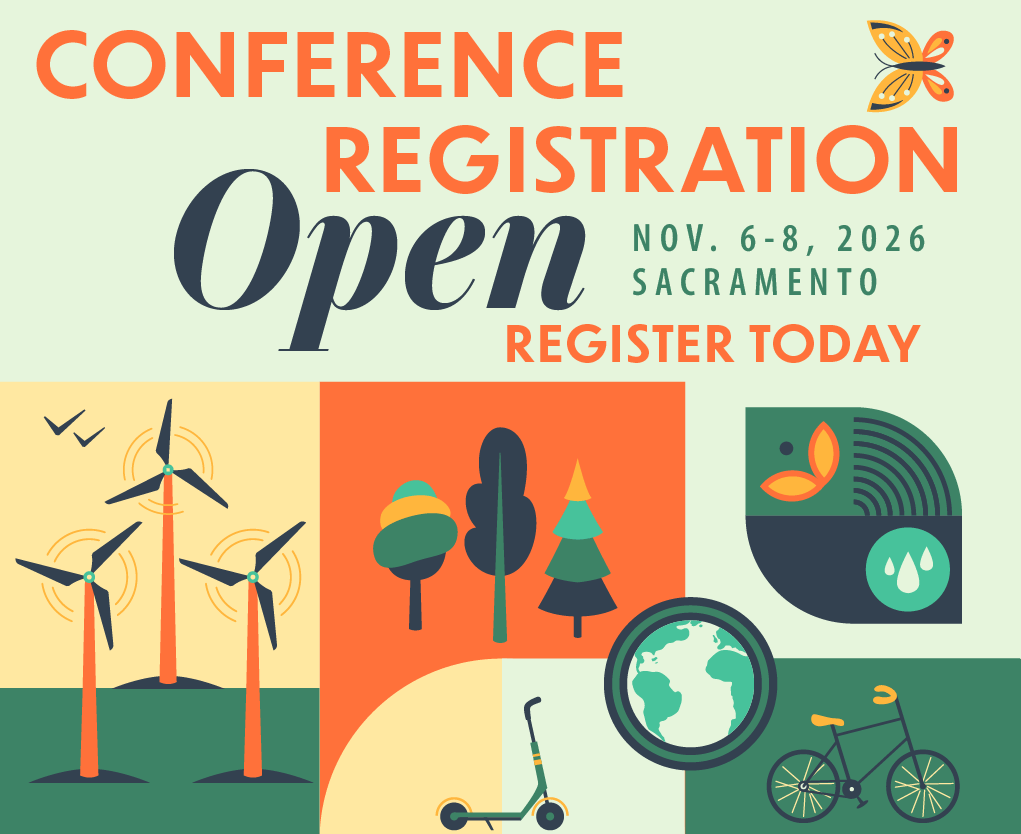
As we look ahead, planning is already underway for the 2026 CASE Conference in Sacramento, taking place November 6–8, 2026, and we are excited to continue building on this momentum together.
Conference Registration Open
- Early Bird (Ends 7/31)
- Advanced (Ends 9/30)
- Onsite (10/1 through Conference)
I encourage anyone who has been considering becoming more involved with CASE to take that next step. Membership connects you to a statewide network of passionate science educators working to advance science learning for all students. And while official committee sign-ups may have passed, there is still room to get involved. Our committees always welcome educators who want to collaborate, contribute, and help shape the future of science education in California.
Thank you to our members, volunteers, partners, presenters, educators, and leaders for making this such a successful year. Together, we continue to build a stronger, more connected, and more innovative science education community for California students.
Wishing you a restful and restorative summer, and looking forward to all that we will accomplish together in the year ahead.
With gratitude,
Melissa Marcucci
Tags
Save | Print | Email Article

Related Articles


From time to time CASE receives contributions from guest contributors. The opinions and views expressed by these contributors are not necessarily those of CASE. By publishing these articles CASE does not make any endorsements or statements of support of the author or their contribution, either explicit or implicit. All links to outside sources are subject to CASE’s Disclaimer Policy.