

Region 3 Update: Engaging Students and Teachers in Environmental and STEAM Learning
Submitted by Kim VanScoyk, CASE Region 3 Director
Quick Student Activity for Observing Nature: Approved for All Grade Levels - Provided by NASA Globe Project.
Sit Spot: A Student Activity for Observing Nature, Kim VanScoyk, Region 3 Director
The NASA GLOBE Program is a worldwide citizen science initiative where students, teachers, and scientists collaborate to study the global environment. A quick way to engage students is through the "SIT Spot" activity. Engaging in SIT Spot encourages participants to regularly observe their local environment from a single, designated location. It is a practice used by educators to help students cultivate a deeper connection to nature and a greater understanding of local environmental changes.
How the SIT spot works
The SIT spot method is a simple yet powerful way to engage with the environment. It involves:
- Selecting a spot: Choose one specific location to sit and observe nature over a period of time, such as a bench, tree stump, or patch of ground.
- Observing with all senses: The practice encourages using all senses to notice details about the atmosphere, biosphere, hydrosphere, and soil. Questions to consider include:
- What animals do you see or hear?
- What is the temperature, and how is the wind moving?
- What plants are growing there, and how do they change with the seasons?
- Recording observations: The observations can be recorded in a journal, with drawings, or by collecting data to be used in conjunction with official GLOBE protocols.
UCLA Science Project
Upcoming Event with the UCLA Science Project, Zachary Cue, EdD, Directory - UCLA Science Project
November 8 | Jr. Planetary Defenders: 3-Dimensional Learning through Physical Science (Registration form)
Join the UCLA Science Project and NASA's Near-Earth Object (NEO) Surveyor team to empower your middle school students to become the next generation of planetary scientists and defenders! This workshop bridges the gap between theoretical concepts and the NASA NEO Surveyor Mission to demystify asteroids, comets, and highlight the importance of planetary defense through three-dimensional, hands-on learning experiences.
Kern County
From Camp to Classroom: Hands-On STEAM Learning Across Kern County, Chelsey Lancaster, Program Specialist - STEM, Curriculum and Instruction, Kern County Superintendent of Schools
This summer, Kern County teachers and students came together for a project called From Camp to Classroom. Camp to Classroom was a hands-on STEAM camp experience hosted at three locations throughout Kern County: the California Living Museum (CALM), the Kern County Museum, and the KCSOS STEAM Yard. Teachers participated in a full day of NGSS professional development, with a specific focus on the science and engineering practices. Then, each following day, the teachers led 30-minute place-based lessons at the locations and reflected on their practice in the afternoon. Students rotated through the activities exploring science, engineering, and creativity, and teachers gained new strategies and confidence to bring back into their classrooms. The program was a win for both teachers and students, fostering authentic learning for kids and professional growth for educators.
View video highlights of the project.
Region 3 Director
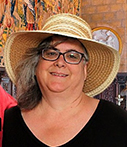
Kim VanScoyk teachers Science to currently incarcerated adult men in Los Angeles County. She has been a teacher for over 10 years and has a passion for making science come to life for her students.
Tags
Save | Print | Email Article

Related Articles


From time to time CASE receives contributions from guest contributors. The opinions and views expressed by these contributors are not necessarily those of CASE. By publishing these articles CASE does not make any endorsements or statements of support of the author or their contribution, either explicit or implicit. All links to outside sources are subject to CASE’s Disclaimer Policy.