

Cultivating Connection: CASE's Environmental Literacy Committee Brings Science to Life Across California
By Katie Wilsker
California science educators are transforming environmental education through collaboration and shared experiences. At the heart of this movement is CASE and its Environmental Literacy Committee, which is focused on building bridges between classrooms, communities, and cutting-edge Environmental science.
Environmental literacy isn't just about understanding ecosystems—it's about preparing students to think critically in order to tackle urgent challenges like climate change, water quality, and biodiversity loss. When educators connect through networks like CASE, they share resources, swap successful strategies, and build collective knowledge that benefits thousands of students.
The environmental literacy committee is working to build partnerships with informal education institutions and scientists to broaden the opportunities classroom educators have to learn, rejuvenate, and find their educational village.
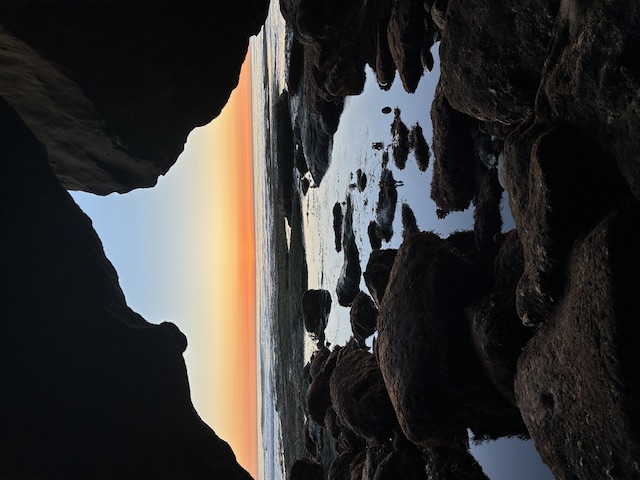
The committee's recent activities demonstrate how connected science creates meaningful learning experiences. October's Seeds to Solutions virtual happy hour celebrated International Day of Climate Action, introducing K-12 educators to their standards-aligned climate literacy curriculum that features local California phenomena. December brought an unforgettable tide pool and sea cave exploration at Sunset Cliffs in San Diego, led by former CASE President Peter A'Hearn, combining outdoor science with coastal geology and marine life discovery. The committee also launched its monthly Environmental Literacy Community of Practice (COP)—a virtual gathering space where educators share resources, problem-solve current challenges, and build connections. These informal sessions provide moments to reflect, recharge, and find support among like-minded colleagues passionate about environmental education.
Looking ahead, the committee is planning some exciting opportunities, stay tuned for more details:
- Our monthly virtual COP meetings (1/28, 2/25, 3/25 from 4-5pm)
- Feb. 1 (Ventura Harbor): ToxinLab, a hands-on workshop with Coastal Marine Biolabs focusing on a NGSS aligned unit on biotoxins and public health
- Feb 5 (webinar): in preparation for World Water Day on March 22, EarthEcho International will share about their water monitoring programs, student leadership opportunities, ocean advocacy, and blue economy lessons and resources
- We will be tabling and presenting at Regional conferences like the Gold Coast Science Network (Feb. 7 in Oxnard) and Bay Area Climate Literacy Exchange (Feb. 23 in Oakland) and hope to connect with you there.
- March 7 (Paso Robles): unique biodynamic viticulture and wine tasting experience at Tablas Creek Winery.
- March 21 (Monterey): day of professional development at the renowned Monterey Bay Aquarium
- May 2 (Moorpark): Tour, picnic and lesson plan at the Biggest Little Farm (Apricot Lane Farms) a breathtaking biodynamic regenerative farm
We hope to see you at our upcoming events! Click here to learn more.
Tags
Save | Print | Email Article

Related Articles


From time to time CASE receives contributions from guest contributors. The opinions and views expressed by these contributors are not necessarily those of CASE. By publishing these articles CASE does not make any endorsements or statements of support of the author or their contribution, either explicit or implicit. All links to outside sources are subject to CASE’s Disclaimer Policy.